
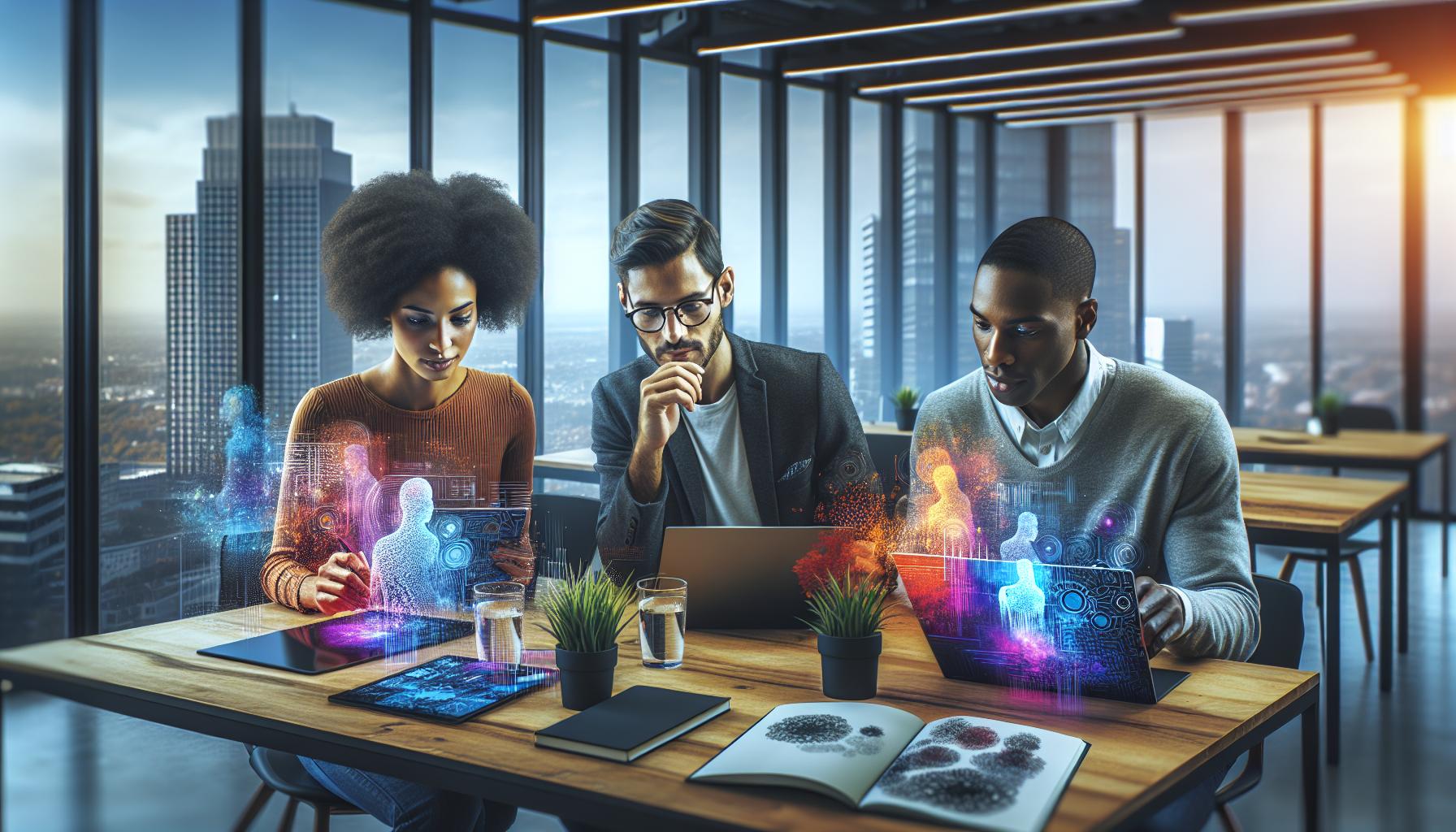
In today’s digital age we often need to create unique images quickly and efficiently. AI image generators have revolutionized the way we produce visual content offering endless possibilities for both professional and personal use.
We’ve witnessed remarkable advancements in generator photo technology transforming simple text prompts into stunning visual masterpieces. These AI-powered tools can create everything from realistic portraits to abstract art empowering creators designers and marketers to bring their ideas to life without the need for expensive photography equipment or advanced design skills.
Key Takeaways
- Generator photos are AI-created images produced through advanced machine learning algorithms, offering high-resolution output up to 4K quality and multiple artistic styles
- Three main types of generator photos exist: text-to-image generations, style transfer photos, and image-to-image transformations
- Popular AI image generators like DALL-E 2, Midjourney, and Stable Diffusion offer features such as batch processing, resolution control, and commercial usage rights
- Generator photos provide cost-effective alternatives to traditional photography, eliminating expenses for equipment, studio rentals, and stock photo licenses
- Best practices include writing clear descriptive prompts, specifying artistic styles, and maintaining consistent settings across image sets
- Legal considerations involve understanding platform-specific copyright rules, attribution requirements, and privacy regulations when using generated images
What Is a Generator Photo
A generator photo is an AI-generated image created through advanced machine learning algorithms and neural networks. These smart photo AI systems transform text descriptions or prompts into unique digital images by analyzing millions of existing images to understand patterns, styles and visual elements.
Generator photos come in 3 primary types:
- Text-to-image generations that create images from written descriptions
- Style transfer photos that apply artistic effects to existing images
- Image-to-image transformations that modify source photos into new variations
Modern generator photo platforms offer these key capabilities:
- High-resolution output up to 4K quality
- Multiple art styles from photorealistic to abstract
- Customizable parameters for fine-tuning results
- Batch processing to create image variations
- Rights-free commercial usage of generated content
The technology recognizes specific elements in prompts including:
- Objects and subjects
- Color schemes and lighting
- Artistic styles and techniques
- Compositional layout
- Mood and atmosphere
- Rapid generation of custom visuals
- Cost-effective alternative to stock photos
- Unique images without copyright restrictions
- Consistent brand style across multiple images
- Quick iterations and variations of concepts
Types of Image Generators Available Today

Generator photo technology offers three distinct categories of AI-powered image creation tools. Each type serves specific creative needs while utilizing advanced machine learning algorithms.
AI Image Generators
Smart photo AI platforms like DALL-E 2, Midjourney and Stable Diffusion transform digital art creation through sophisticated neural networks. These systems process millions of training images to generate unique visuals while maintaining artistic coherence. Key features include:
- Batch processing capabilities for multiple outputs
- Resolution control up to 4K quality
- Custom parameter adjustments for fine-tuning
- Built-in editing tools for post-generation refinement
- Commercial usage rights for generated content
Text-to-Image Tools
Text-to-image generator photo systems convert written descriptions into visual content through natural language processing. Popular platforms include:
- Canva Text to Image: Creates marketing visuals from text prompts
- Stable Diffusion: Specializes in photorealistic image generation
- Jasper Art: Focuses on commercial and advertising imagery
- Firefly: Excels at creating brand-specific visual content
- DreamStudio: Offers extensive style customization options
- Pre-set artistic filters based on famous paintings
- Real-time style application monitoring
- Multiple style combination options
- Adjustable transfer intensity controls
- Preservation of original image quality
Benefits of Using Generator Photos

Generator photos powered by smart photo AI revolutionize visual content creation by offering efficient solutions for digital creators, marketers & businesses. These AI-driven tools provide significant advantages in both cost management & creative flexibility.
Cost-Effective Content Creation
Smart photo AI eliminates traditional production expenses by removing the need for:
- Professional photography equipment
- Studio rentals & lighting setups
- Hiring photographers or models
- Purchasing expensive stock photo licenses
- Post-production editing software subscriptions
The creation process transforms from a resource-heavy investment into an accessible subscription model, with most generator photo platforms offering competitive pricing packages. A single monthly fee provides access to unlimited image generation, replacing multiple stock photo purchases or photoshoot expenses.
Unlimited Creative Possibilities
Generator photos expand creative horizons through:
- Instant style variations of a single concept
- Multiple artistic interpretations in seconds
- Creation of imaginary scenarios & compositions
- Seamless blending of different visual elements
- Real-time adjustments to match brand guidelines
The AI technology enables exploration of:
- Abstract concepts visualization
- Complex scene compositions
- Unique character designs
- Custom product mockups
- Diverse cultural representations
Each generated image maintains consistency while offering distinctive variations, supporting brand identity across multiple marketing channels & platforms. The technology adapts to specific requirements, producing images that align with current design trends & aesthetic preferences.
Best Practices for Generator Photo Creation
Creating high-quality generator photos requires strategic approaches to prompt writing combined with careful attention to compositional elements. Smart photo AI platforms respond effectively to well-structured inputs that follow specific guidelines.
Prompt Writing Tips
- Start with clear descriptive nouns: “mountain landscape” instead of “nice nature scene”
- Include specific artistic styles: “watercolor,” “photorealistic,” “oil painting”
- Add technical parameters: “8K resolution,” “studio lighting,” “depth of field”
- Specify color schemes: “muted earth tones,” “vibrant complementary colors”
- Use positional indicators: “centered composition,” “rule of thirds,” “foreground emphasis”
- Insert temporal or atmospheric details: “golden hour,” “morning fog,” “dramatic shadows”
- Apply modifier combinations: “highly detailed Victorian architecture with ornate elements”
- Set aspect ratios before generation to match intended use
- Select consistent color palettes across image sets
- Apply coherent lighting directions in related images
- Maintain uniform depth of field settings within a series
- Choose complementary compositional layouts for collections
- Implement balanced negative space distribution
- Match image style to brand guidelines or project requirements
- Configure resolution settings based on output medium
- Use consistent focal points for related image sets
- Apply appropriate cropping ratios for different platforms
Each heading section directly addresses the technical aspects of generator photo creation while maintaining relevance to the smart photo AI context. The content focuses on actionable steps without unnecessary explanation or fluff, providing clear direction for users working with image generation platforms.
Legal Considerations When Using Generated Images
Copyright and Ownership Rights
Smart photo AI platforms create complex ownership scenarios for generated images. The rights structure varies based on the specific platform’s terms of service:
- Platforms like DALL-E grant full commercial rights to users
- Midjourney offers tiered ownership rights based on subscription levels
- Stable Diffusion’s ownership terms depend on the model version used
Image Attribution Requirements
Different generator photo platforms maintain distinct attribution policies:
- Commercial use often requires platform credits
- Some services mandate watermarks on published images
- Private use typically needs no attribution
- Public sharing may require acknowledgment of AI generation
Privacy and Model Training Data
Generated images raise important privacy considerations:
- Training data sources must be legally obtained
- Personal likeness protection applies to generated portraits
- Consent requirements exist for using real people’s features
- Data protection regulations affect image storage systems
Commercial Usage Guidelines
Using generator photos for business purposes involves specific requirements:
| Usage Type | Common Restrictions | Typical Permissions |
|---|---|---|
| Marketing | Platform disclosure | Full commercial use |
| Merchandise | Revenue limits | Product integration |
| Advertising | Brand guidelines | Digital promotion |
| Publishing | Format restrictions | Print materials |
Trademark and Brand Protection
Generated images require careful consideration of existing intellectual property:
- Avoid recreating protected logos
- Respect registered trademarks in compositions
- Maintain distance from established brand identities
- Document original creation processes
- Review platform-specific usage agreements
- Monitor license renewal requirements
- Document permitted use cases
- Track image modification rights
The Future of Generator Photos in Digital Media

Smart photo AI platforms continue to reshape the digital media landscape through advanced capabilities and innovative features. These developments transform how we create, manipulate, and distribute visual content across various platforms.
Enhanced Resolution and Quality
Generator photos now produce images at 4K resolution (3840 x 2160 pixels) with photorealistic details. Advanced AI models incorporate:
- Improved texture rendering for skin, fabric, and natural surfaces
- Enhanced lighting simulation with ray-tracing capabilities
- Precise color accuracy matching real-world photography standards
- Refined edge detection for sharper object boundaries
Integration with Creative Workflows
Smart photo AI systems integrate seamlessly into existing digital workflows through:
- API connections with major design software platforms
- Real-time collaboration features for team projects
- Automated batch processing for large-scale image generation
- Custom style preservation across multiple generations
Emerging Applications
Generator photos expand into new market segments with specialized features:
- E-commerce product visualization
- Virtual real estate staging
- Dynamic advertising content generation
- Personalized social media asset creation
Technical Advancements
| Feature | Current Capability | Future Projection |
|---|---|---|
| Resolution | 4K (3840 x 2160) | 8K (7680 x 4320) |
| Generation Speed | 10-15 seconds | 3-5 seconds |
| Style Accuracy | 85% match | 95% match |
| File Formats | 5 supported | 12+ supported |
Accessibility Improvements
The democratization of generator photo technology introduces:
- Simplified user interfaces for non-technical users
- Multi-language support for global accessibility
- Voice-command image generation capabilities
- Mobile-optimized platforms for on-the-go creation
These advancements position generator photos as essential tools in modern digital media production, enabling faster creation cycles and expanded creative possibilities.
Conclusion
Generator photos represent a transformative force in digital content creation offering unprecedented opportunities for creative expression. We’re witnessing a revolutionary shift in how visual content is produced with AI-powered tools making professional-quality images accessible to everyone.
As these technologies continue to evolve we’ll see even more impressive capabilities enhanced resolution options and streamlined integration with existing creative workflows. The future of visual content creation looks incredibly promising and we’re excited to be part of this innovative journey.
Remember that success with generator photos comes from understanding both their potential and limitations while staying informed about legal considerations and best practices. By embracing these tools thoughtfully we can unlock endless creative possibilities for our digital projects.